
Understanding gambling addiction A journey toward awareness and recovery
What is Gambling Addiction?
Gambling addiction, also known as compulsive gambling, is a behavioral disorder characterized by an uncontrollable urge to gamble despite the negative consequences it may bring. Individuals suffering from this addiction often prioritize gambling over relationships, work, and personal responsibilities. This compulsive behavior can lead to financial ruin, strained relationships, and emotional distress. For those interested in online gaming experiences, discovering a reliable payid online casino can provide a fun but responsible way to enjoy games without falling into disarray.
The psychological aspects of gambling addiction make it particularly complex. Many individuals may initially engage in gambling for entertainment, but over time, the thrill of winning and the desire to recover losses can lead to a vicious cycle of dependency. Recognizing the signs of gambling addiction is crucial for timely intervention and recovery.
Recognizing the Signs of Gambling Addiction
Identifying gambling addiction is essential for both the individual and their loved ones. Common signs include frequent thoughts about gambling, lying about gambling habits, and using gambling as a means to escape from stress or emotional pain. Individuals may also experience irritability when attempting to cut back on gambling, leading to feelings of desperation and isolation.
Family members may notice changes in behavior, such as neglecting responsibilities or engaging in secretive behavior. Awareness of these signs can prompt a conversation about gambling habits, facilitating a pathway to seek help and support. Early intervention can significantly improve the chances of recovery.
The Impact of Gambling Addiction
The impact of gambling addiction extends beyond the individual, affecting families, friendships, and communities. Financial difficulties often arise due to reckless betting and poor financial management, leading to significant debt and potential bankruptcy. The emotional toll can lead to anxiety, depression, and even suicidal thoughts in extreme cases.
Moreover, gambling addiction can erode trust within relationships. Loved ones may feel betrayed, frustrated, or helpless, which can further strain family dynamics. Understanding the far-reaching effects of this addiction highlights the importance of addressing it openly and compassionately.
Pathways to Recovery
Recovery from gambling addiction is a multifaceted journey that often requires professional help. Counseling, therapy, and support groups can provide the necessary resources and community support to facilitate healing. Cognitive-behavioral therapy (CBT) is particularly effective, helping individuals reshape their thought patterns and develop healthier coping strategies.
In addition to professional support, self-help techniques such as setting financial limits and seeking accountability from friends and family can aid in recovery. It’s crucial for individuals to cultivate a support network that encourages open communication and understanding as they navigate their path to recovery.
Resources for Help and Support
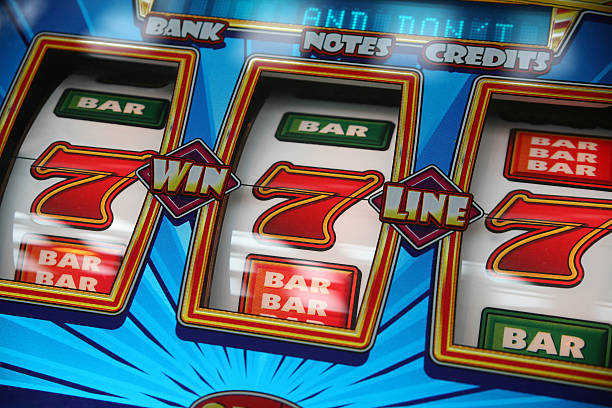
For those seeking assistance with gambling addiction, various resources are available. Many organizations provide hotlines, support groups, and counseling services dedicated to helping individuals overcome their compulsive behaviors. These resources can guide individuals through the recovery process, offering strategies and support tailored to their needs.
Exploring these resources can empower individuals to take the first steps toward a healthier relationship with gambling. Raising awareness about gambling addiction and promoting available support services is essential for fostering understanding and recovery in affected individuals and their loved ones.
¿Quiéres participar en este debate?
Ve al apartado 'Cómo participar' y revisa los pasos necesarios para poder intervenir en los debates abiertos.